For Professionals

Kidney disease stages 3, 4 and 5 (not on dialysis)

Why do I need to change how I eat in kidney disease stages 3, 4 and 5 (not on dialysis)?

In kidney disease stages 3, 4 and 5, there is damage to your kidneys that prevents them from working as well as they should to filter waste and extra fluid out of your blood. Since your kidneys are not working as well as they did during the earlier stages of kidney disease, your doctor and dietitian may recommend that you follow a specific kidney-friendly food and fluid plan. Making changes to the way you eat and the amount of fluids you drink may help you prevent further damage to your kidneys and slow down the progression to kidney failure.

How can I eat healthy in
kidney disease stages 3, 4 and 5 (not on dialysis)?

You will likely need to limit:

Protein

In these stages, you will likely need to limit the amount of protein you eat.

Sodium (salt)

Too much sodium can make your body hold onto fluid, which can raise your blood pressure. When you have high blood pressure, your kidneys must work harder to filter your blood.

Fluid

In these stages, you may need to limit your total fluid intake. Anything that is liquid at room temperature counts as fluid, not just water!

Protein

In these stages, you will need to limit the amount of protein you eat.

Sodium (salt)

Too much sodium can make your body retain fluid, which can raise your blood pressure. When you have high blood pressure, your kidneys must work harder to filter your blood.

Fluid

In these stages, you may need to limit your total fluid intake. Anything that is liquid at room temperature counts as fluid, not just water!

Protein

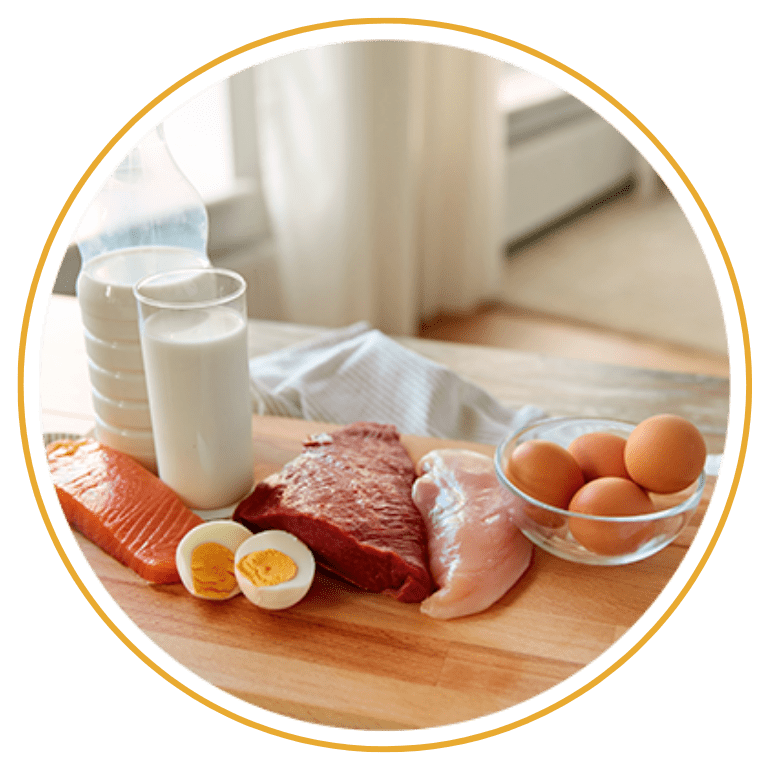
Your body needs protein to build muscle, heal and stay healthy, but the amount and types of protein you should eat can depend on your stage of kidney disease. In kidney disease stages 3, 4 and 5 (not on dialysis), you may need to eat less protein to prevent your kidneys from having to work even harder to filter waste products from protein digestion.

Protein needs for people with kidney disease can vary widely depending on kidney function, body size, lab results, medicines and overall health status. For this reason, the daily protein recommendations listed here are a general reference and may not be appropriate for everyone with CKD. Review your individual needs and how much protein you should eat a day with your doctor and registered dietitian.

For general adult population: 0.8 g/kg body weight

  • About 56 grams of protein each day for a sedentary male who weighs 155 pounds.
  • About 47 grams of protein each day for a sedentary female who weighs 130 pounds.

For active individuals: 1-1.2 g/kg body weight

  • About 70-84 grams of protein each day for an active male who weighs 155 pounds.
  • About 59-71 grams of protein each day for an active female who weighs 130 pounds.

Ask your doctor and dietitian how much protein you should eat each day.

Get your protein from lean protein sources:

Eggs

Chicken

Fish

Turkey

Quinoa

Beans

Soy products (tofu, edamame, tempeh, soy milk, etc.)

Choose these types of animal protein less often:

Red meat (beef, bison, lamb, pork, venison, etc.) and organ meats (liver, etc.)

Lean protein serving sizes and estimated amount of protein:

Food

Amount of Protein (grams)

½ cup kidney beans

7 grams

1 large egg

6 grams

½ chicken breast

29 grams

Shrimp (3 oz, about size of palm)

20 grams

Tips to limit protein:

  • Use protein as a condiment, topping or as a side dish, instead of treating it as a “main dish”
  • Replace meat or dairy with lower-protein sources like tofu or beans
  • Eat a smaller serving of protein at meals
  • Fill more of your plate with fresh or frozen non-starchy vegetables (talk to your doctor and dietitian if you need to choose low-potassium vegetables)
  • Use a small plate (9-10 inches in diameter) to make your portion size look larger

Sodium (salt)

You can find the amount of sodium in foods by checking the nutrition label. Sodium plays many important roles in the way our bodies function, but too much sodium can be harmful for people with kidney disease. When your kidneys are not working as well as they should, they may not be able to remove extra sodium from your body.

Having too much sodium in your body can make your body retain or hold onto fluid, which makes your heart and kidneys work harder. Over time, this can raise your blood pressure and cause your kidney disease to get worse.

The amount of sodium found naturally in foods is enough to keep a healthy level in your body, but sodium is often added to many processed foods, foods we eat in restaurants and even the food we cook ourselves. This can lead to eating too much salt and cause too much sodium to build up in your body.

The recommended amount of sodium to consume can depend on your stage of kidney disease and your kidney function. In general, a healthy amount of sodium is 2,300 mg or less per day. This is equal to about 1 teaspoon of salt a day. Ask your doctor and dietitian how much sodium you should consume each day in kidney disease stages 3, 4 and 5 (not on dialysis).

These foods and drinks usually have added sodium (unless marked as low-salt or low-sodium):

Soda and sports drinks

Ice Cream

Frozen dinners and snacks

Frozen (1)

Fast food and food from restaurants

Chips (1)

Packaged snacks (chips, pretzels, nuts, etc.)

Bakery items (bread, bagels, pies, cakes, etc.)

Condiments (ketchup, salad dressings, hot sauce, soy sauce, etc.)

Canned and jarred foods (tomatoes, beans, corn, pickles, etc.)

Seasonings and spices with salt (garlic salt, celery salt, seasoned salt, taco seasoning, seafood seasoning, etc.)

Soda and sports drinks

Frozen dinners and snacks

Chips (1)

Packaged snacks (chips, pretzels, nuts, etc.)

Condiments (ketchup, salad dressings, hot sauce, soy sauce, etc.)

Ice Cream

Frozen (1)

Fast food and food from restaurants

Canned and jarred foods (tomatoes, beans, corn, pickles, etc.)

Bakery items (bread, bagels, pies, cakes, etc.)

Seasonings and spices with salt (garlic salt, celery salt, seasoned salt, taco seasoning, seafood seasoning, etc.)

Tips to limit added sodium

    • Carefully review labels and ingredients for salt substitutes or “No-Salt” seasonings. It’s important to note that some are made with potassium (like potassium chloride) and could raise your potassium to a dangerous level.
    • Choose canned and jarred foods that say “no salt added” or “low sodium” on the package
    • Choose no salt added snacks (unsalted or no-salt pretzels, etc.)
    • Prepare and cook your meals from scratch using one of our kidney-friendly recipes, so you can control the amount of salt in your food
    • Use fresh or dried herbs and spices to add extra flavor to your dishes, instead of salt
    • Drink water instead of sports drinks or soda
    • When eating out, ask your server for your food to be prepared without any added salt and ask for your sauces or dressings on the side

Fluid

Controlling the balance of fluids in your body is an important job of your kidneys . In kidney disease stages 3, 4 and 5, your kidneys are not working well, which means they cannot filter extra fluid out of your body. You will likely need to limit the amount of fluid you drink, so your kidneys do not have to work as hard.

It is important to limit fluids to prevent fluid retention, which is when too much fluid builds up in your body. Fluid retention can make you feel bloated and uncomfortable, and raise your blood pressure, which can make your kidney disease worse.

Ask your doctor and dietitian how much fluid you should have each day.

Remember, fluid is more than just the water you drink! Everything that turns to liquid at room temperature counts toward your daily fluid intake.

Examples of fluids include:

Ice

Soups and stews

Pudding

Ice Cream

Ice cream, sherbet, sorbet, popsicles, etc.

protein drinks

Protein drinks (Nepro, Novasource, Ensure, etc.)

All beverages (water, juice, soda, tea, coffee, milk, nondairy milk, etc.)

Jell-O®, other gelatin products and gelatin substitutes (pectin, arrowroot powder, etc.)

Ice

Soups and stews

protein drinks

Protein drinks (Nepro, Novasource, Ensure, etc.)

Pudding

Ice Cream

Ice cream, sherbet, sorbet, popsicles, etc.

All beverages (water, soda, tea, coffee, milk, nondairy milk, etc.)

Jell-O® other gelatin products and gelatin substitutes (pectin, arrowroot powder, etc.)

Tell your doctor right away if you have any of these signs of possible fluid retention:

  • Swelling in your feet or ankles
  • Trouble breathing or shortness of breath when:
    • Walking a short distance (1-3 blocks)
    • Lying flat on your back

More tips to stay healthy in stages 3, 4 and 5 (not on dialysis)

Choose whole grains

Like brown rice, over refined grains, like white rice

Add an extra daily activity into your schedule

Go for a brisk walk or take the stairs instead of the elevator.

Go to all your regular checkups

Your doctor will monitor your kidney function and other conditions.

If you have diabetes or high blood pressure, take your medicines as your doctor instructed.

One of the best ways to keep your kidney disease from getting worse is to keep your diabetes or high blood pressure under control.

Keep a healthy weight

Talk to your doctor about what a healthy weight means for you and ways to manage your weight.

Choose whole grains

Like brown rice, over refined grains, like white rice.

Add an extra daily activity into your schedule

Go for a brisk walk after dinner or take the stairs instead of the elevator.

Go to all your regular checkups

Our doctor will monitor your kidney function and other conditions.

If you have diabetes or high blood pressure, take your medicines as your doctor instructed.

One of the best ways to keep your kidney disease from getting worse is to keep your diabetes or high blood pressure under control.

Keep a healthy weight

Talk to your doctor about a healthy weight for you and ways to manage your weight.

Tips, webinars and videos

Salt and your kidneys

Fluid management & control

Ask a nephrologist

Featured Recipes

Southern Corn Soufflé
Medium Phosphorus
Low Potassium
Low Protein
Low Sodium
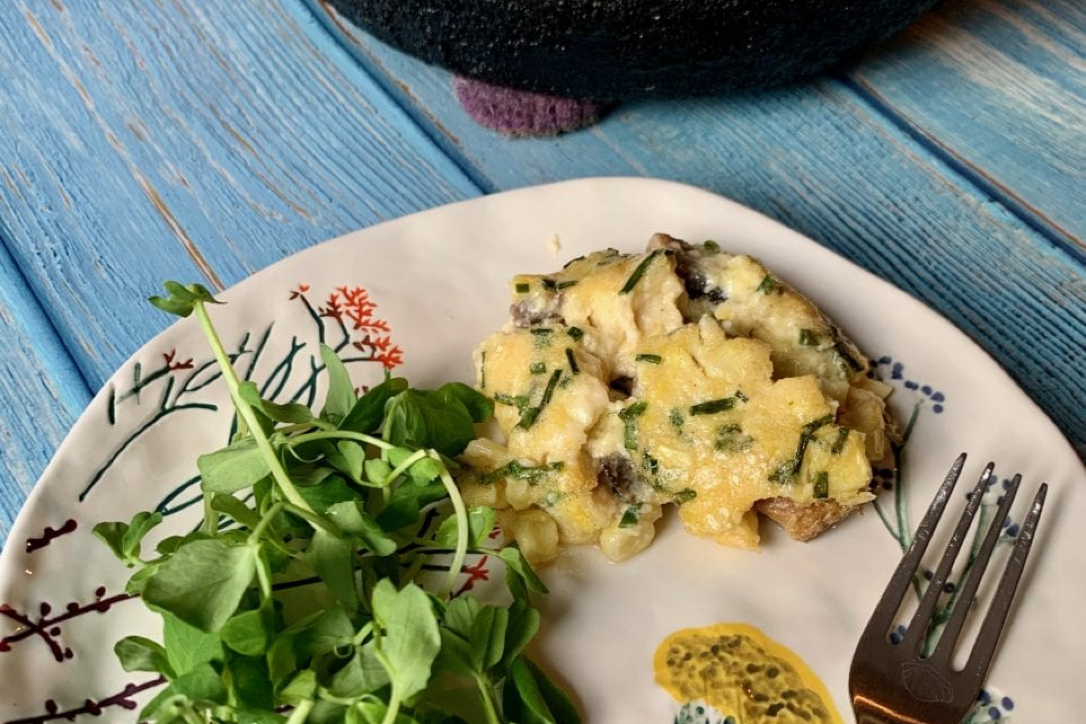
Baked Egg Casserole
Medium Phosphorus
Low Potassium
Medium Protein
Low Sodium
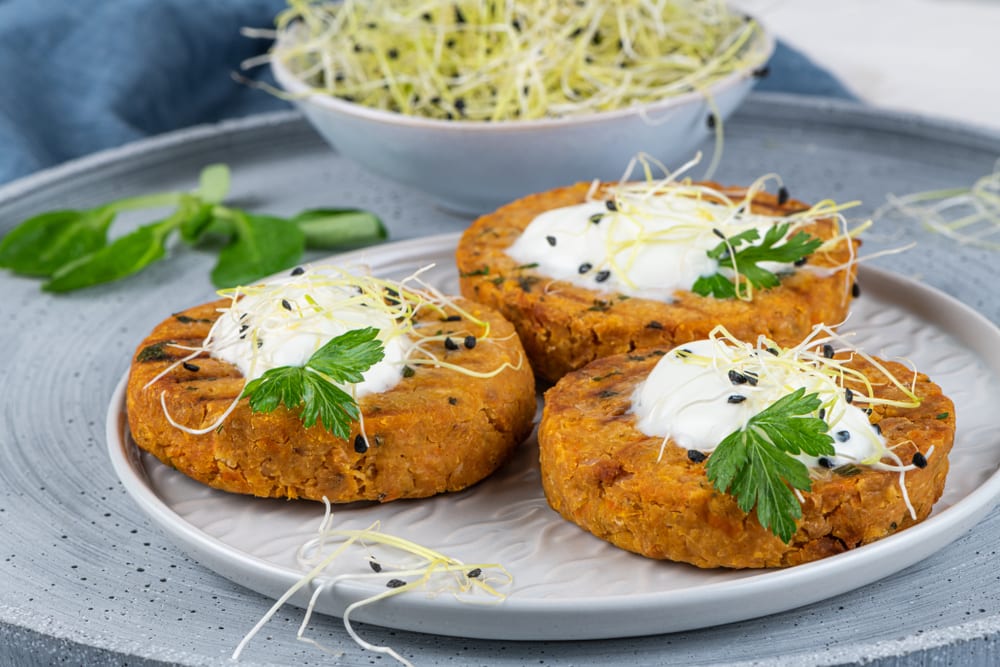
Couscous Burgers
Low Phosphorus
Low Potassium
Medium Protein
Medium Sodium

More Kidney Kitchen Resources